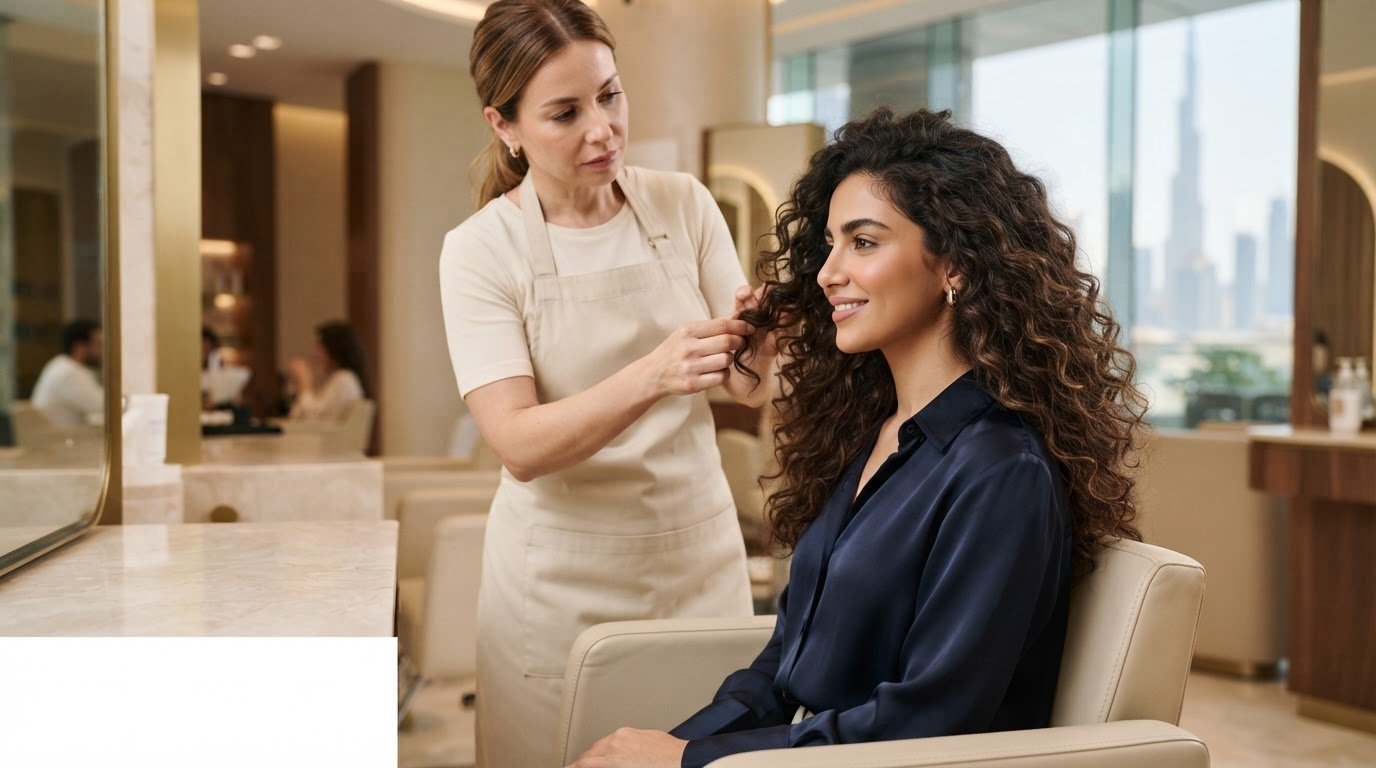
Hair Breakage After Coloring: Protect Hair in the First 72 Hours

Yes, permanent colour and bleach can leave hair brittle enough to snap. Start today by putting heat tools away, switching to a gentle colour-safe shampoo, and smoothing a leave-in or a few drops of lightweight oil through your ends. Expect repair to happen in two stages: quick surface conditioning first, then slower rebuilding of the hair’s internal bonds and proteins.
TL;DR:
- Wait 24 to 48 hours before washing, avoid heat for at least two days, and detangle damp hair from ends upward using conditioner.
- Alternate protein treatments with moisturizing masks instead of stacking them; a bond building formula restored up to 92% strength in laboratory bleached swatches only.
- A trim removes split ends, but no product can rejoin snapped strands; consult a stylist when breakage continues or lengths snap unevenly.
- Keep color changes within three shades of your natural color, use heat protection, and test a strand before applying color all over.
- Seek immediate medical care for severe or patchy shedding, persistent burning, blistering, swelling, oozing, or signs of infection, and stop using new products.
Table of Contents
- Why does colouring make hair break?
- What should you do in the first 72 hours?
- Which home treatments actually repair coloured hair?
- When should you see a stylist about breakage?
- How do you stop it happening again?
- When is breakage a medical issue?
- How we plan repair for colour-damaged hair
- How can we help you repair and maintain your colour?
- FAQ
- Sources
Why does colouring make hair break?
Permanent colour works by forcing open the hair’s protective outer layer. Alkaline agents and peroxide swell the cuticle so the dye can reach the cortex, the inner core that gives hair its strength. There, peroxide oxidises your natural melanin, and the same chemistry strips lipids and attacks proteins. A peer-reviewed review describes structural changes to both layers, oxidative damage to proteins and weaker mechanical properties as the result.
Two things follow from this. First, damaged hair becomes more porous, so it soaks up water and loses it quickly, which is why it feels rough, tangles easily and snaps when brushed. Second, the damage depends on what you used. Bleaching is an aggressive process because it removes pigment, while permanent dye typically does more structural harm than semi-permanent or temporary colour. Conditioning agents built into the dye and lipid-containing shampoos can soften the blow.

Repeated chemical services, heat and friction stack on top of each other. DermNet notes that acquired hair fragility commonly comes from repeated physical or chemical injury, so the breakage you see is often several small insults arriving together.
What should you do in the first 72 hours?
Your aim is to stop adding stress while the hair is at its weakest. Salon experts recommend waiting 24 to 48 hours before washing and avoiding heat styling for at least two days.
- If you must wash sooner, use lukewarm water and a sulphate-free, colour-safe shampoo.
- Skip straighteners, curling tools and blow-drying on a hot setting, and let your hair air-dry.
- Avoid tight ponytails, buns and anything that pulls on the same strands all day.
- Sleep on a silk or satin pillowcase to cut friction overnight.
- Work a lightweight leave-in, detangling spray or a few drops of oil through the mid-lengths and ends, never the roots.
- Patch-test any new product for 48 hours before using it all over, since irritated skin makes a bad situation worse. The NHS advises the same 48-hour wait for dye, and our own guide to the 48-hour allergy test walks through the steps.
Pro Tip: Detangle from the ends upwards with a wide-tooth comb while your leave-in is still damp. Brushing can contribute to breakage, so detangle gently.
Which home treatments actually repair coloured hair?
Think of repair as three layers, each doing a different job.
- Protein treatments temporarily reinforce weakened fibres. Trichologist Tina Mui explains that smoothing the cuticle needs acidic conditioners, weakened fibres benefit from protein, and deep bond damage calls for peptide or bond-building technology. Use protein when hair feels limp, stretchy or mushy, and do not overdo it, because too much can leave strands stiff.
- Bond-building formulas go after the internal damage. In a 2025 study, a crosslink repair complex of itaconic acid, arginine, D-panthenol and plant polysaccharides restored up to 92% of original tensile strength in bleached tresses when used as a leave-in. That was a laboratory test on hair swatches, so treat it as encouraging evidence rather than a promise for your head.
- Deep-conditioning masks with D-panthenol and film-forming polysaccharides smooth the cuticle, improve combability and bring back shine. Our guide to deep conditioning benefits helps you match ingredients to your hair goals, and pharmacy ranges of masks and conditioners are easy to browse online.
A sensible routine runs wash, then mask, then leave-in. Use a moisturising mask regularly and add a protein treatment as needed, alternating rather than stacking them in one session. Research on silk proteins and polysaccharides found treated swatches showed less structural damage and more lustre after colouring and washing.
When should you see a stylist about breakage?
Home care has limits. If the ends are split, snapped at different lengths or simply will not hold up, a professional can do things a bottle cannot.
- A trim or dusting removes the weakest ends, which are the ones that keep splitting upwards. It is the quickest, lowest-risk fix.
- In-salon bond repair and protein treatments can restore fibre strength more reliably than DIY alone, because the products are stronger and applied evenly.
- Timing before smoothing services matters. Keratin on freshly coloured hair needs a gap, and we explain our reasoning in our guide to waiting 10 to 14 days. Our full guide to protein treatment covers what to expect in the chair.
In a consultation, tell your stylist exactly what was done and when: the dye brand if you know it, whether bleach was involved, how often you heat-style and what you have tried since. Photos help. Be realistic about results too. Repair improves strength, softness and manageability, but it cannot rejoin a split end, so some length may need to go.
How do you stop it happening again?
Prevention is mostly routine. Follow these steps and you reduce the load on hair that is already fragile.
- Wash less often with a sulphate-free, colour-safe shampoo, and finish with a cool rinse to help seal the cuticle.
- Apply a heat protectant before any hot tool, and cover your hair or use a UV-protective product in strong sun. The American Academy of Dermatology recommends protecting hair from sun and heat after colouring.
- Keep your colour changes modest. The same dermatologist guidance suggests staying within three shades of your natural colour to limit peroxide exposure.
- Do a strand test before a full application, so you know how your hair reacts.
- Keep up regular masks, occasional glosses and timely trims, because maintenance costs far less than rescue.
When is breakage a medical issue?
Most colour-related breakage is a hair-shaft problem, but some signs point to the scalp or to your general health. Seek immediate medical care for severe or patchy shedding, persistent burning, blistering, swelling, oozing, signs of infection or a reaction that looks allergic.
Bring your treatment history and photos to the appointment. Stop using new products and avoid further colour or heat. Seek immediate medical care if you are concerned about a reaction.

How we plan repair for colour-damaged hair
When someone sits down with breakage, we start by listening and looking: what was applied, how the hair feels wet and dry, and where it snaps. Then we build a plan that pairs in-salon repair with a home routine you can actually keep up. Every package comes with home-care guidance and a 10-day satisfaction guarantee. Bring your questions and a realistic timeline, and we will tailor the steps to your hair.
— Boost
How can we help you repair and maintain your colour?
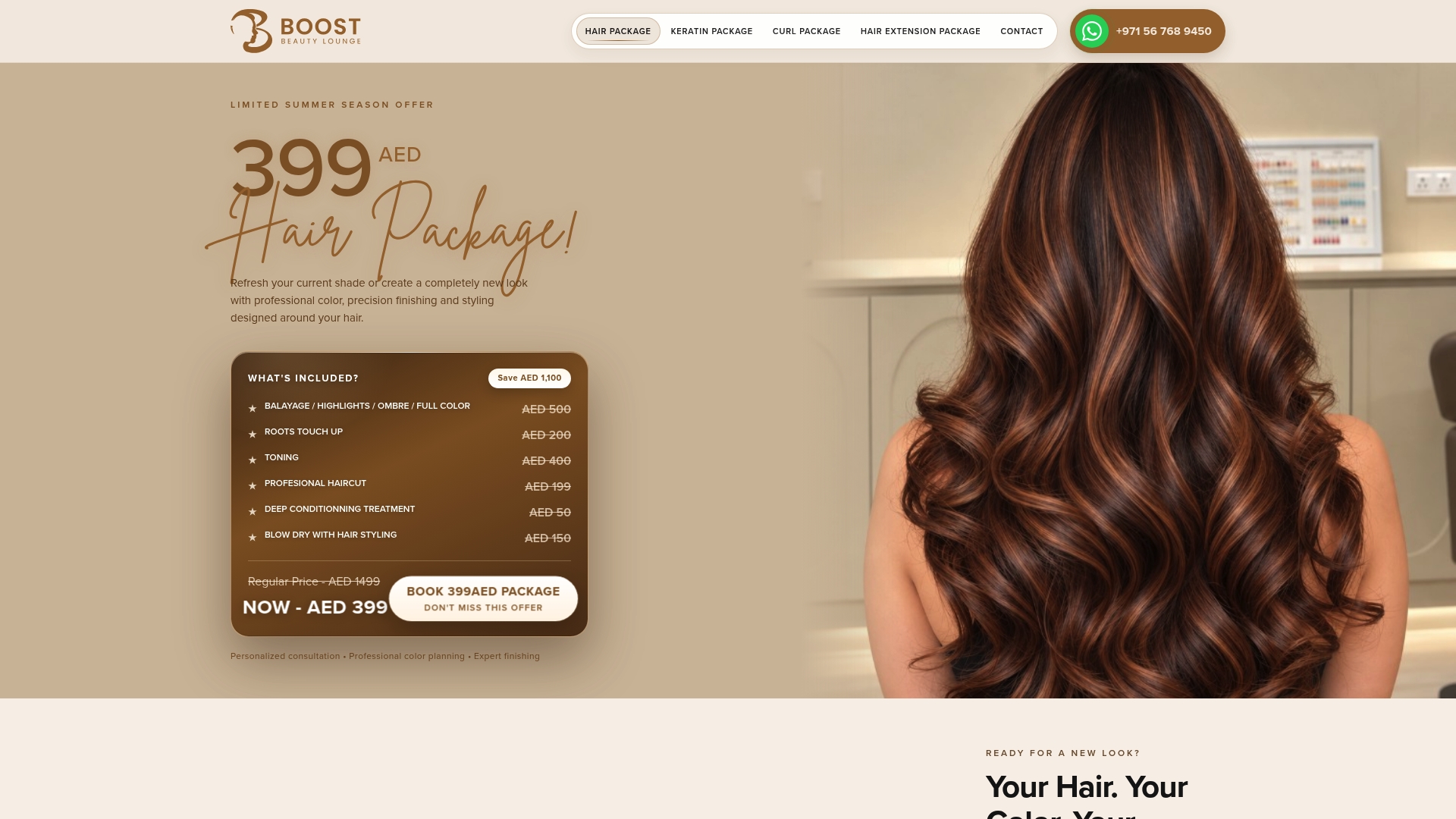
If you would rather have a professional handle it, we offer two routes:
- Hair Package at 1499 AED: colour with toning, conditioning and styling, for readers who want colour kept in good condition.
- Keratin/Protein/Botox Package at 1299 AED: smoothing and protein work for hair that needs manageability and strength.
Both are fixed-price, you pay after your service, and we are near Salah Al Din Metro Exit 1. Message us on WhatsApp or call to book your consultation.
FAQ
How damaging is hair dye?
All dye types can affect hair structure, but permanent dyes typically cause more damage than semi-permanent or temporary ones. Bleach is harsher still. Conditioning agents and gentle aftercare can reduce the harm.
Can you reverse breakage in hair?
You cannot rejoin strands that have already snapped, but you can strengthen what remains. Protein treatments, bond-building products and deep conditioning improve strength and smoothness, and a trim removes the damaged ends.
Why am I breaking out after dying my hair?
Irritation or an allergic reaction to the dye is a likely cause, especially if you skipped a patch test. Stop using new products and see a doctor or pharmacist if the skin is burning, swelling or blistering.
Should I wash my hair straight after colouring?
Waiting 24 to 48 hours is the usual salon advice, so the colour can settle. When you do wash, use lukewarm water and a sulphate-free shampoo.
Sources
- Mechanisms of impairment in hair and scalp induced by hair dyeing and perming and potential interventions - PMC
- Protective and Restorative Effects of a Bio-Based Crosslinking Complex on Chemically Damaged Hair
- Does dying hair damage it, and is it repairable?
Recommended
Ready to book this look?
See this package