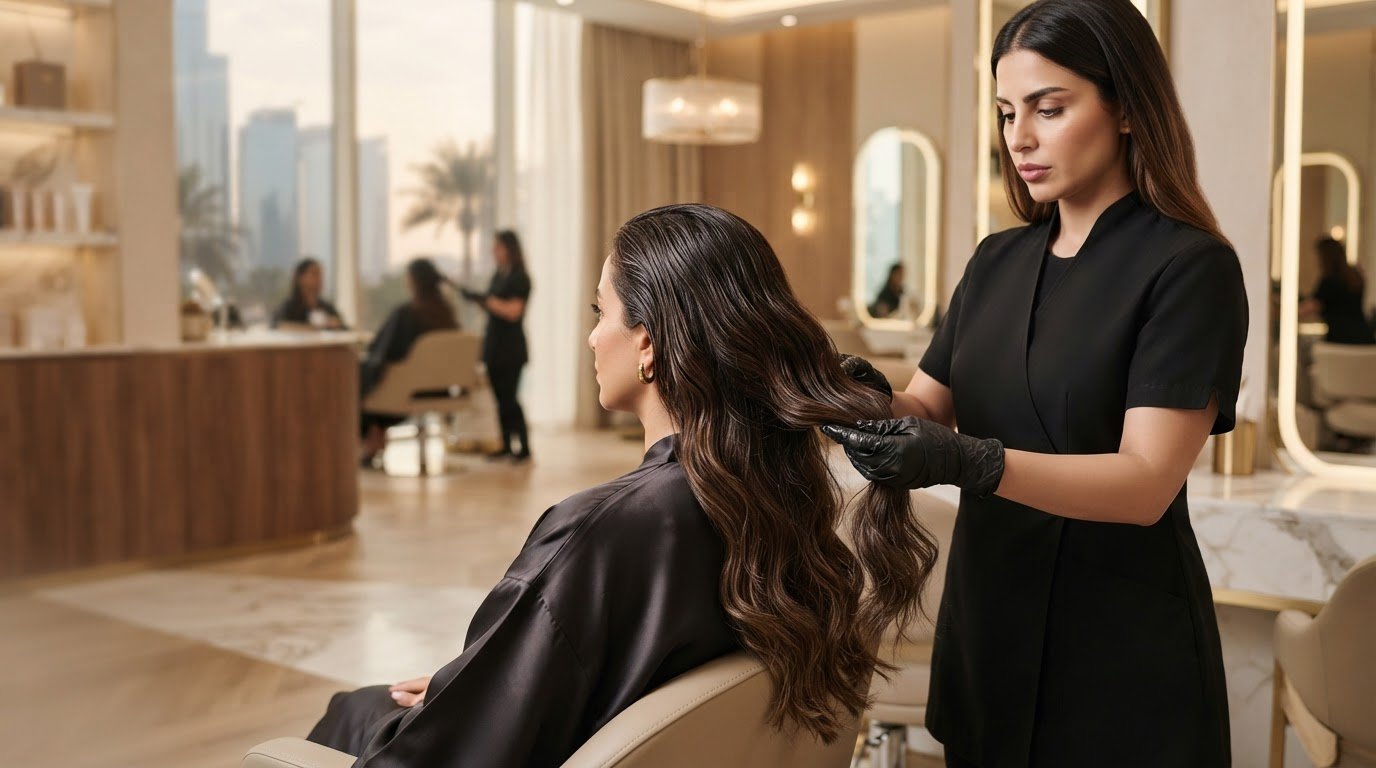
Pregnancy Hair Coloring: Week 13, Salon Safety, and the Evidence

Colouring your hair during pregnancy is generally considered safe by major health bodies, including the NHS, because only a small amount of dye reaches the scalp and even less is absorbed into the bloodstream. If you prefer extra caution, many clinicians suggest waiting until after week 12 or 13, but this is a precaution rather than proof that earlier colouring causes harm.
TL;DR:
- Some clinicians recommend waiting until after week 12 or 13 because organ development is underway, but this is precautionary; one early appointment warrants no action.
- A review found associations with some adverse outcomes, but evidence was low or very low certainty and could not establish that dye caused them.
- Dye that coats hair usually skips ammonia, while temporary color washes out after a few shampoos and foil highlights avoid scalp contact.
- Ask for patch and strand tests, especially with sensitivity; use ventilation and gloves, follow label timing, and avoid dye on broken or irritated scalp skin.
- Research concerns focus on repeated workplace exposure, not occasional appointments; pregnant hairdressers should use gloves, improve ventilation, take breaks, and consult occupational health.
Table of Contents
- Can I dye my hair while pregnant? How experts interpret the evidence
- When to consider waiting: trimester timing and practical trade-offs
- Safer colouring choices and techniques that reduce scalp exposure
- Practical precautions for salon visits and home dyeing
- Occupational risk: what studies say about repeated exposure for hairdressers
- Boost Beauty Lounge perspective: our salon safety checklist and appointment steps for pregnant clients
- Potential ingredients or chemicals to avoid in hair dyes during pregnancy
- Impact of pregnancy-related hair changes on colour results and maintenance advice
- Consulting healthcare providers before colouring hair during pregnancy
- Postpartum hair care related to colouring, considering hair shedding or hormonal changes
- What matters most when deciding on colour during pregnancy
- How Boost can help: appointment options and how to book
- FAQ
- Sources
Can I dye my hair while pregnant? How experts interpret the evidence
The reassurance from the NHS rests on a simple point: a healthy scalp absorbs very little of what sits on it during a typical colouring session. Dye is applied to the hair shaft, left on for a set time, then rinsed away, and the chemicals involved do not readily pass through unbroken skin in meaningful amounts. That is why routine appointments, used as directed, are not flagged as a specific danger to a developing baby.
The picture gets more complicated once you look at the research behind that reassurance. A systematic review and meta-analysis of hair dye use in pregnancy found some associations with certain adverse outcomes, but described the certainty of that evidence as low or very low. Most of the underlying studies were observational and retrospective, meaning they looked back at women’s exposure after the fact rather than tracking it forward in a controlled way. That design makes it hard to separate hair dye from other factors, such as diet, stress or workplace conditions, that might explain the same outcomes.
A few things are worth holding onto when you read headlines about this topic:
- Observational studies can show a pattern without proving that hair dye caused it.
- Occupational exposure, where someone handles dye products for hours every working day, is a different exposure level to one salon visit.
- Review authors themselves describe the findings as hypothesis generating rather than conclusive.
One occasional colouring session is not the same exposure as a hairdresser’s working week, and most of the caution in the research literature is aimed at the latter, not the former.
When to consider waiting: trimester timing and practical trade-offs
The first trimester is when a baby’s major organs are forming, a process called organogenesis. Because of that, some clinicians recommend waiting until after week 12 or 13 before colouring, even though the NHS frames this as an extra layer of caution rather than a response to any established risk threshold. If you want to understand more about what is developing at that stage of pregnancy, a week 12 development guide sets out the milestones that underpin this advice.
If you coloured your hair before realising you were pregnant, or had a single early appointment, there is no cause for alarm. The evidence does not point to a specific harm from one exposure, and there is nothing actionable to do beyond mentioning it at your next antenatal appointment if it would ease your mind.
For anyone weighing up timing against convenience, a few options reduce exposure without ruling colour out altogether:
- Book highlights or balayage in the first trimester, since foil techniques keep product off the scalp.
- Save a full head of permanent colour for the second trimester once organ development is more advanced.
- Space out root touch-ups so scalp contact happens less often overall.
Safer colouring choices and techniques that reduce scalp exposure
Not all colouring methods carry the same exposure. The technique and the dye class both matter, and understanding the difference helps you make a more informed choice with your stylist.
- Highlights and balayage use foil or a hand-painted technique that keeps colour away from the scalp, which is why the NHS names them as a lower-exposure option. A comparison of balayage, highlights and full colour explains how each technique differs in application.
- Permanent dye penetrates the hair shaft and typically contains ammonia and peroxide to open the cuticle and develop colour; it offers the longest-lasting result but the most scalp contact when applied all over.
- Semi-permanent dye coats the hair shaft without the same level of penetration, usually skipping ammonia, which lowers both the chemical load and the exposure time.
- Temporary colour sits on the surface of the hair and washes out within a few shampoos, making it the lightest exposure of the main categories.
- Pure vegetable henna is a plant-based option the NHS lists as an alternative, but “natural” on a label does not guarantee a clean ingredient list. Some henna products are blended with metallic salts or synthetic dyes, so checking the full ingredients list matters more than the word on the box.
A professional application generally beats a home full-head dye job during pregnancy, mainly because a stylist can control placement precisely, keep product off the scalp with foils, and manage timing and rinsing more consistently than a home kit allows.
Pro Tip: Ask your stylist for a foil technique rather than a full-head bowl application if you want the same colour result with less scalp contact.

Practical precautions for salon visits and home dyeing
Whether you are sitting in a salon chair or dyeing your hair at home, a few habits lower your exposure and reduce the chance of a reaction.
Before you arrive, let the salon know you are pregnant so your stylist can plan accordingly. Ask for a patch test and a strand test, particularly if you have never used that specific product before or have a history of skin sensitivity. A hair dye allergy test and a proper strand test both give you and your stylist a clearer picture before the full application goes anywhere near your scalp, something the NHS also recommends as standard practice.
On the day, a few things make a real difference:
- Choose a well-ventilated salon or open a window at home to avoid breathing in concentrated fumes.
- Ask your stylist to wear gloves and to keep product application as minimal on the scalp as the chosen technique allows.
- Make sure colour is rinsed thoroughly once the timing is up, rather than left on longer than the label states.
- Avoid applying dye to broken, scratched or inflamed skin on the scalp.
- Stop and tell someone immediately if you notice burning, a rash, dizziness or severe nausea during the appointment.
At home, the same principles apply with a bit more responsibility on your end. Wear gloves throughout, keep the room ventilated, and stick to the contact time printed on the box rather than leaving it on for a stronger result. Avoid eating or drinking while you handle the product, wash your hands as soon as you are done, and have someone else nearby in case fumes trigger nausea partway through.
Pro Tip: If fumes make you feel unwell at any point, step outside for fresh air before continuing rather than pushing through to finish the application.
Occupational risk: what studies say about repeated exposure for hairdressers
The research that raises the most caution is about people who work with hair dye every day, not those who have it done occasionally. A large prospective cohort from the Japan Environment and Children’s Study found that frequent occupational use of hair dye during pregnancy was associated with higher odds of stillbirth in adjusted analyses, though the authors themselves point to confounding factors that complicate a direct causal reading.
Frequent, repeated occupational exposure is treated differently in the research from a single client appointment, and that distinction runs through almost every piece of guidance on this topic.
The International Agency for Research on Cancer reached a similar conclusion from a cancer angle: occupational exposure for hairdressers and barbers is probably carcinogenic, while the carcinogenic risk from personal use of hair colourants could not be determined. The same systematic review referenced earlier echoes this, noting that occupational studies show mixed findings and generally low certainty rather than a clear, consistent signal.
If you work as a hairdresser or colourist and are pregnant, a few adjustments reduce your daily exposure:
- Ask your salon about improved ventilation around your workstation, including extraction fans if available.
- Wear gloves for every mixing and application step, not just when the client requests it.
- Take regular breaks away from the colour bar, especially during busy periods with back-to-back colour services.
- Speak to an occupational health adviser or your GP about adjusting your workload or client mix for the remainder of your pregnancy.
Boost Beauty Lounge perspective: our salon safety checklist and appointment steps for pregnant clients
We ask every pregnant client to tell us before their appointment so we can plan the service around it. Our consultation covers your trimester, any known sensitivities, and whether you would rather opt for a lower-exposure technique such as balayage or highlights instead of a full-head application.
We adjust the service to your needs and talk through aftercare once the service is finished. Our satisfaction guarantee offers added reassurance, which takes some of the pressure off getting everything right in a single visit.
When you message us on WhatsApp or call to book, mention how many weeks pregnant you are, any allergy history, and the look you are hoping for. That gives your stylist everything needed to prepare the right products and approach before you even sit down.
Potential ingredients or chemicals to avoid in hair dyes during pregnancy
Permanent hair dyes typically rely on ammonia to open the hair cuticle and peroxide to develop the colour, and these are the ingredients most often flagged in general pregnancy guidance because of their strength and the fumes they produce. Choosing a semi-permanent formula, which usually skips ammonia, or a technique that avoids the scalp altogether lowers your contact with both.
Beyond ammonia and peroxide, it is worth checking the ingredients list for paraphenylenediamine (PPD), a common colourant in permanent dyes that can trigger allergic reactions in some people, pregnant or not. A patch test catches this regardless of pregnancy status, which is one more reason not to skip it.

If you are drawn to a “natural” alternative, pure vegetable henna is the option the NHS names specifically, but check the full ingredients list rather than trusting the word “natural” alone. Some henna blends include metallic salts or added synthetic dyes that defeat the purpose of choosing a plant-based product in the first place.
Impact of pregnancy-related hair changes on colour results and maintenance advice
Pregnancy hormones change hair in ways that can affect how colour takes and how long it lasts. Many people notice thicker, fuller hair during pregnancy because higher oestrogen levels extend the hair’s growth phase, which can make colour appear slightly different from how it looked before you were pregnant.
Scalp sensitivity can also shift during pregnancy, so a product you have used comfortably before might feel different this time, which is another reason a fresh patch test matters even with a familiar dye. Hair can also hold moisture differently, affecting how evenly colour develops, so your stylist may adjust processing time slightly to get a consistent result.
Between appointments, a gentle, sulfate-free shampoo and regular deep conditioning help colour last longer and keep hair that is already adjusting to hormonal changes from feeling dry or brittle.
Consulting healthcare providers before colouring hair during pregnancy
A quick conversation with your midwife or GP is worth having if you have specific concerns, particularly if you have a history of skin allergies, a high-risk pregnancy, or you are simply more comfortable getting direct reassurance before an appointment. Most antenatal appointments leave room for exactly this kind of question, and it costs nothing to raise it.
This conversation is especially useful if you work with hair dye professionally, given the occupational research discussed earlier, or if you have had a reaction to colour products in the past. Your GP or midwife can also advise on any medication or skin condition that might interact with how your scalp reacts to a patch test.
For most people with a straightforward, low-risk pregnancy and no history of sensitivity, this step is reassurance rather than a requirement, but it remains a sensible one to take before a big colour change.
Postpartum hair care related to colouring, considering hair shedding or hormonal changes
Many people notice increased hair shedding in the months after giving birth, as oestrogen levels drop back down and hair that was held in its growth phase during pregnancy moves into its shedding phase all at once. This is a normal, temporary process rather than a sign that something has gone wrong with your hair or your colour.
If you are planning a colour appointment postpartum, it is worth mentioning the shedding to your stylist, since thinner-feeling hair can change how a technique like balayage or full colour looks initially. Waiting a few months for shedding to settle, particularly if you are also considering other treatments such as a keratin smoothing service, can make the overall result more predictable.
Breastfeeding does not change the guidance around hair dye in the same way pregnancy does, since the exposure pathway through topical scalp application remains the same low-absorption process described earlier. If you have specific concerns, raising them with your GP or health visitor during a routine check-up is a reasonable way to get a direct answer.
What matters most when deciding on colour during pregnancy
The conventional advice on this topic often gets reduced to a blanket “wait until after the first trimester” rule, as if that single date resolves the question. It doesn’t, really: the research behind that advice shows low certainty either way, and the precaution exists because organ development is ongoing, not because anyone has pinned down a specific harmful dose from a salon visit.
What gets underweighted, in my view, is the exposure pattern. The meaningful risk signal in the evidence sits with people who handle dye for hours, daily, over months, not with someone booking occasional appointments. If you take one thing from the research, it should be this: reduce scalp contact where you reasonably can, tell your stylist you are pregnant, and stop treating “natural” labels as a safety shortcut. Beyond that, the available evidence does not support anxiety over an occasional, well-managed colour appointment.
— Boost
How Boost can help: appointment options and how to book
If you would like your colour appointment planned around your pregnancy rather than booked as if nothing has changed, our Hair Package covers balayage, highlights, ombre and full colour, all built around a consultation first. We favour techniques that keep product off the scalp when that fits the look you want.
- Mention your pregnancy week, any known sensitivities, and your allergy history when you message us.
- Reach us by WhatsApp or phone to book, and we will talk through the right technique before you come in.
- Payment happens after your service, and our satisfaction guarantee offers added reassurance.
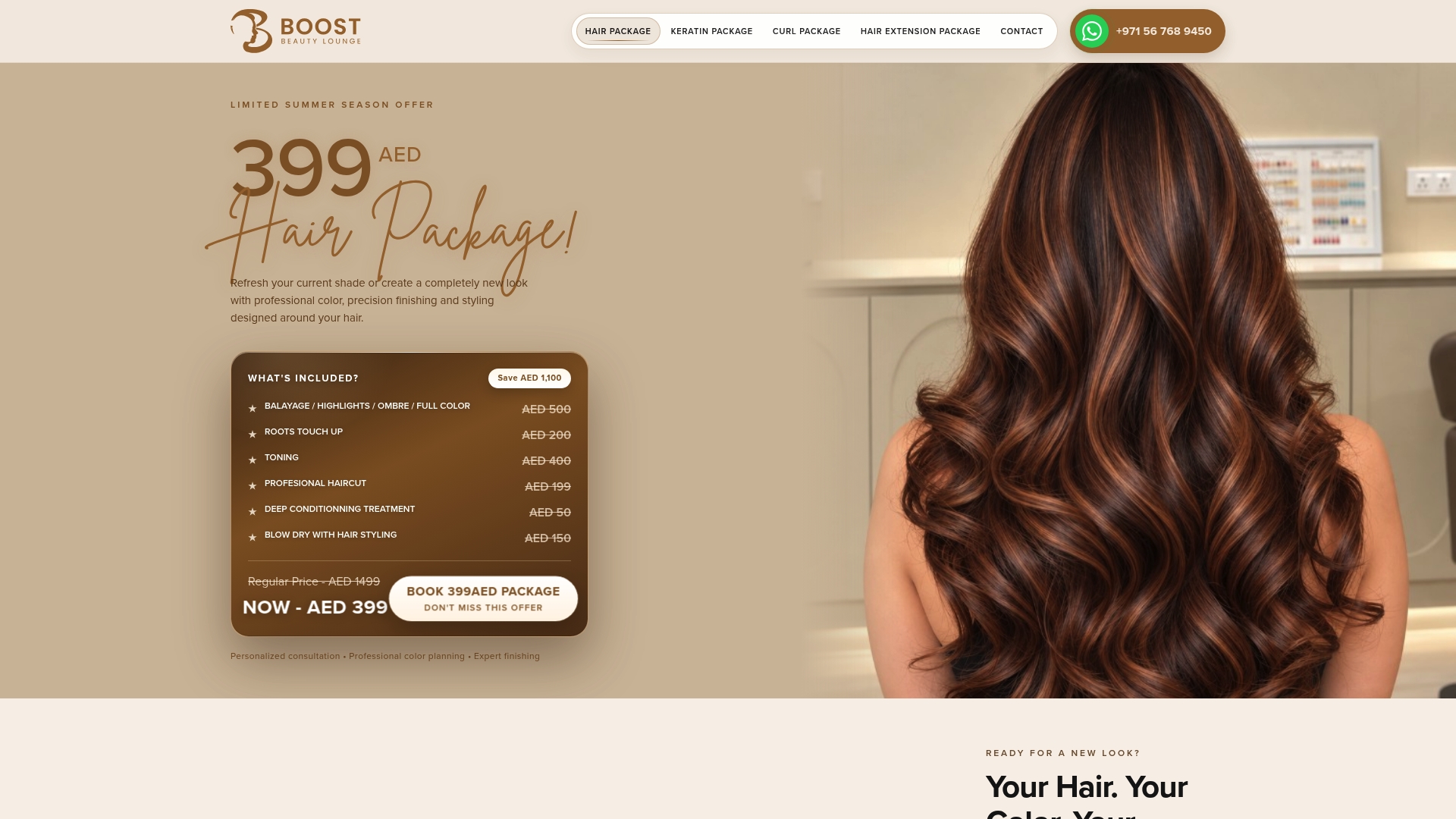
Our hair colour package is a straightforward place to start if you want a transformation planned with your pregnancy in mind from the first message.
This article is general information, not a substitute for advice from a qualified doctor. Consult a qualified healthcare professional about your own circumstances before acting on anything here.
FAQ
Is it safe to dye your hair when pregnant?
Routine hair colouring is generally considered safe during pregnancy by the NHS, since only a small amount of dye is absorbed through a healthy scalp. Some clinicians still suggest waiting until after week 12 or 13 as an added precaution, though this reflects caution rather than proven harm.
Which hair colour is safe during pregnancy?
There is no single colour or product officially labelled “pregnancy safe,” but lower-exposure options include highlights or balayage, which avoid the scalp, semi-permanent dye, and pure vegetable henna with a checked ingredients list, as outlined by the NHS. Checking the full ingredients list matters more than relying on a “natural” label alone.
Is it safe to dye someone else’s hair while pregnant?
Occasional contact with hair dye while colouring someone else’s hair carries a similar low level of exposure to having your own hair dyed, provided you use gloves and work in a ventilated space. The more relevant concern from research relates to frequent, repeated occupational exposure, such as working as a hairdresser daily, rather than a single occasion of colouring someone else’s hair.
Can I get my hair dyed at 6 weeks pregnant?
Having your hair dyed early in pregnancy is not flagged as a specific risk by the NHS, though some clinicians recommend waiting until after week 12 or 13 purely as a precaution during the period of early organ development. If you have already had an early appointment, there is no indication that a single session causes harm.
Sources
- Is hair dye safe in pregnancy? - Best Start in Life - NHS
- Hair Dyes in Pregnancy: A Systematic Review and Meta-Analysis - PubMed
- Association between Maternal Exposure to Chemicals during Pregnancy and the Risk of Foetal Death: The Japan Environment and Children’s Study
- IARC Publications Website - Occupational Exposures of Hairdressers and Barbers and Personal Use of Hair Colourants; Some Hair Dyes, Cosmetic Colourants, Industrial Dyestuffs and Aromatic Amines
Recommended
Ready to book this look?
See this package