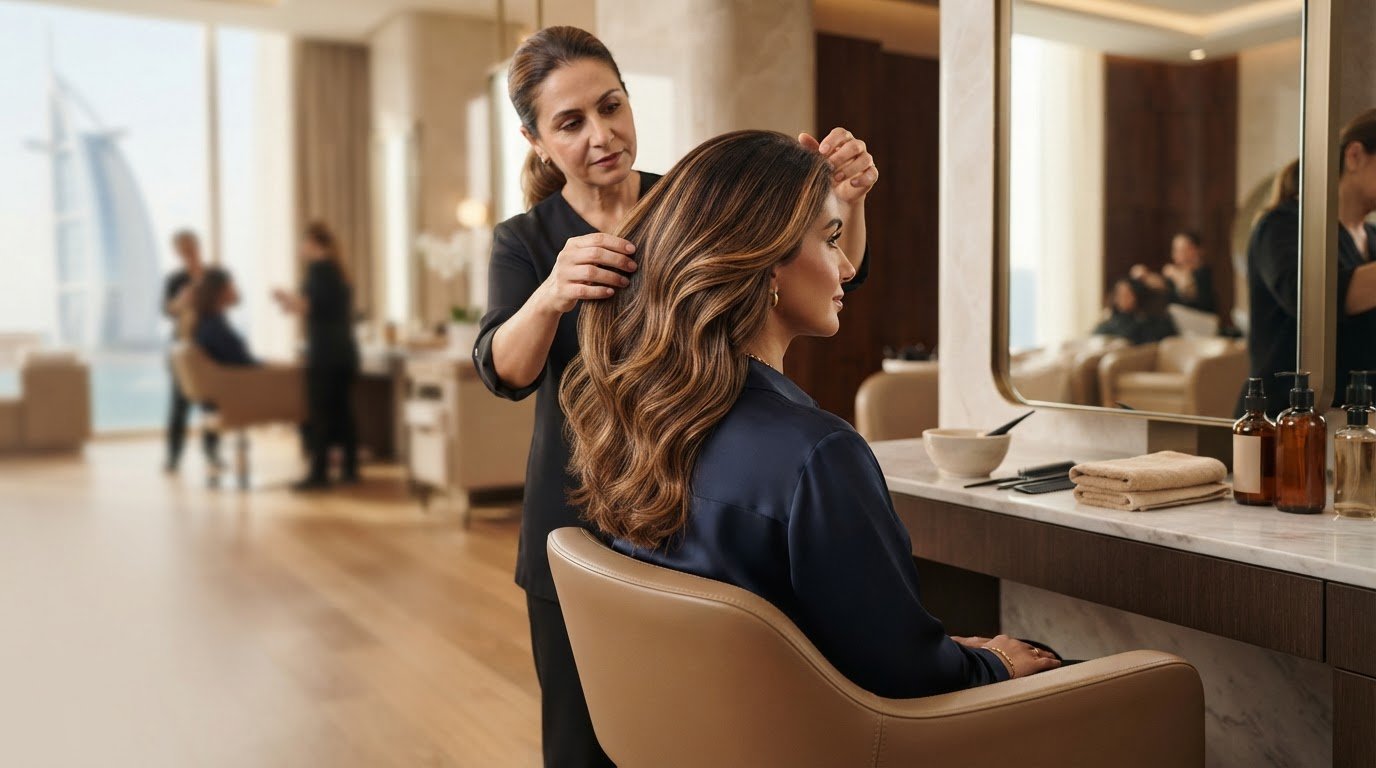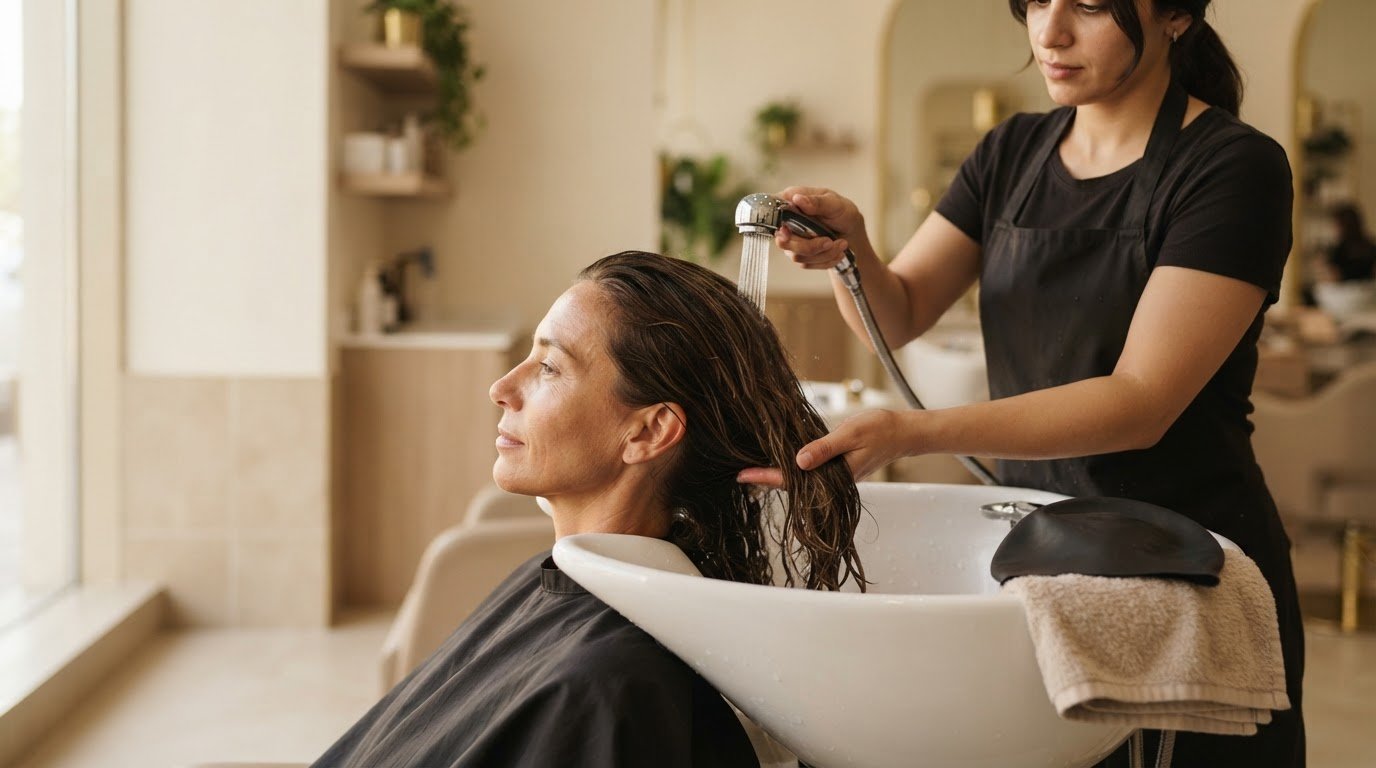
A swim cap can reduce exposure, but it cannot keep all water away from your hair. To understand how to fix straw-like hair after swimming in the Gulf, rinse with clean water as soon as you leave the sea or pool, cleanse away salt or chlorine residue, then condition and detangle gently. Air-drying or using a cool setting can help prevent extra dryness.
That rough, tangled feeling after a swim is frustrating, especially when you want your hair to feel soft and healthy again. Saltwater, pool chemicals, strong sun, and heat styling can all contribute to dryness, so a thoughtful routine before and after swimming can help.
This guide explains how to protect your hair before swimming, rinse and condition it afterward, and dry and detangle it gently. You’ll also learn when persistent dryness or breakage may call for professional hair care, helping you choose a sensible next step toward smoother-feeling hair.
Key Takeaways
- Learn how salt, pool chemicals, sun exposure, and heat styling can leave hair feeling rough and tangled.
- Find out how a swim cap, protective hairstyle, and pre-swim routine can help limit water exposure.
- See why timely rinsing and thoughtful conditioning are key parts of post-swim care.
- Explore gentler ways to dry and detangle hair while it’s feeling dry or fragile.
- Understand when persistent dryness may call for professional hair care tailored to your hair’s condition.
Why salt water, UV radiation, chlorine, and heat styling dry out hair
Using clarifying shampoo too often can strip moisture, leaving dry hair rougher and harder to manage. Frequent strong cleansing may also affect the finish of colored hair. A hair professional can tailor your cleansing routine to your hair’s condition. A useful starting point for how to fix straw like hair after swimming in the Gulf is choosing the right wash, not simply washing more often.
See a hair professional if dryness, tangling, or breakage continues despite careful post-swim care. See a dermatologist for persistent scalp irritation or unusual hair shedding. Understanding how to fix straw like hair after swimming in the Gulf also means recognizing when home care is not addressing the problem.
- Identify what your hair is exposed to. Gulf swimming can involve saltwater, while pool water may contain chlorine; outdoor swims also add UV exposure. Salt and chlorine can leave hair feeling dry and rough, while repeated sun exposure can add to that stressed feel. Heat styling afterward, such as using a hot blow dryer, can compound dryness. Consider the full sequence, not just the swim.
- Notice whether your hair is more vulnerable. Fine, color-treated, bleached, chemically treated, or already dry hair may be more susceptible to chlorine damage. For example, bleached lengths that already feel brittle may become more tangled after pool water exposure. Children’s finer hair can also show cumulative dryness, brittleness, breakage, and split ends faster with repeated chlorine exposure.
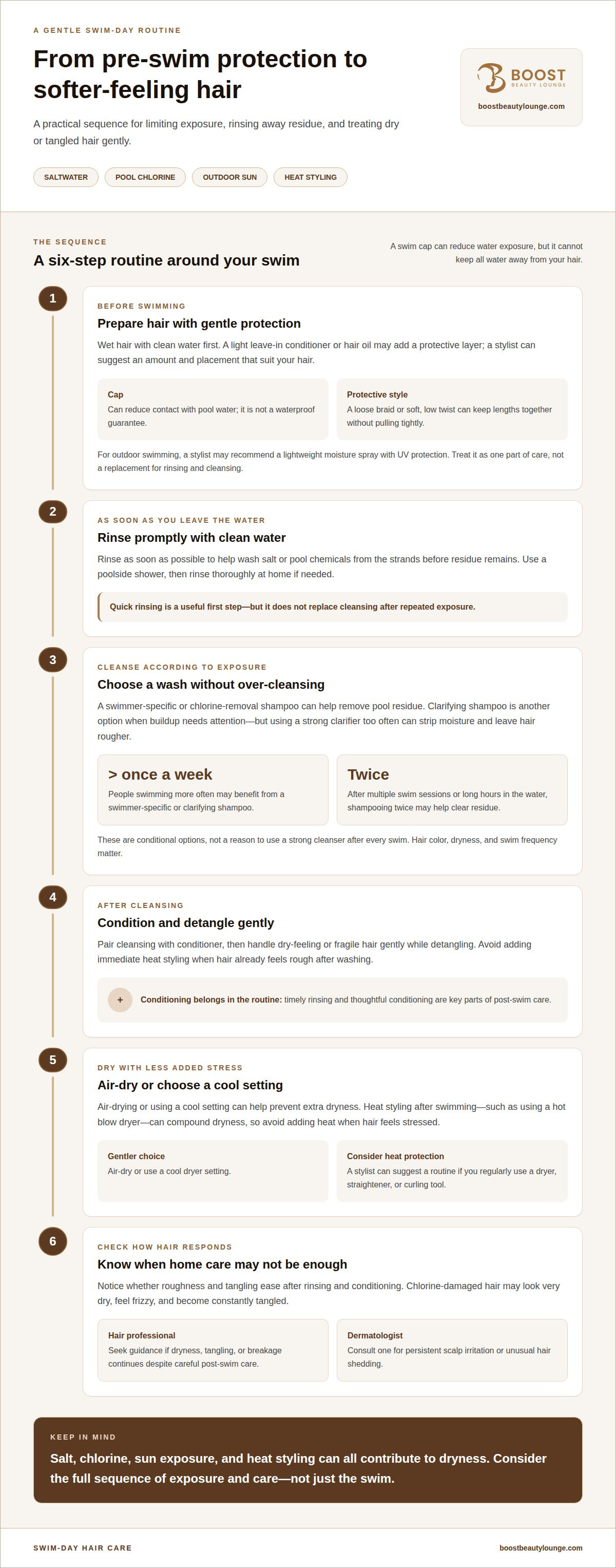
- Rinse promptly with clean water. After leaving the pool or sea, rinse hair as soon as possible. This helps wash away salt or chemicals before residue remains on the strands. For example, use the poolside shower before getting dressed, then rinse thoroughly at home if needed. Quick rinsing is a useful first step, but it doesn’t replace cleansing after repeated exposure.
- Choose cleansing based on the swim routine. A swimmer-specific or chlorine-removal shampoo can help remove pool residue; clarifying shampoo is another option when buildup needs attention. People who swim more than once a week may benefit from a swimmer-specific or clarifying shampoo. After multiple swim sessions or long hours in the water, shampooing twice may help clear residue. A professional can consider dryness, color, and swim frequency before recommending a routine.
- Keep cleansing from becoming another source of dryness. Use chlorine-removal shampoo when pool exposure calls for it, rather than reaching automatically for a strong clarifier after every swim. If hair feels rough after washing, pair cleansing with conditioner and avoid adding immediate heat styling. For children who swim daily, a gentle, conditioning chlorine-removal formula can be used daily.
- Track how your hair responds. Chlorine-damaged hair may look very dry, feel frizzy, and become constantly tangled. Notice whether that texture eases after rinsing and conditioning or whether breakage and split ends persist. A hair professional can assess the damage and help distinguish lingering pool residue from dryness that needs a gentler cleansing and conditioning plan.
Swim caps and protective hairstyles
- Ask a hair professional to match protection to your hair. A useful pre-swim plan considers length, texture, color treatment, and existing dryness. Fine, bleached, or fragile lengths may need gentler handling than healthy, untreated hair. A stylist can help you choose between a cap, a loose protective style, or both. The aim is to reduce exposure and avoid creating tension or tangles before swimming.
- Use a swim cap as a barrier, not a waterproof guarantee. A cap reduces hair’s contact with pool water, but water can still reach the hair. Wetting hair first can help the cap fit more easily. A stylist can advise on a comfortable fit and whether your hair can be gathered without pulling. Keep the cap smooth rather than forcing long or thick hair into a tight fold.
- Choose a protective hairstyle that stays gentle. A loose braid or low, soft twist can keep lengths together and make post-swim detangling easier. Avoid pulling hair tightly at the scalp or securing it with anything that catches strands. For example, a long braid can help limit loose hair rubbing against shoulders, while a tight bun may create tension. Your hair professional can adapt the style to your length and texture.
- Discuss a pre-swim leave-in or oil. After wetting hair with clean water, a light leave-in conditioner or hair oil can add a protective layer before swimming. Ask a stylist to recommend an amount and placement that suit your hair, such as concentrating conditioner on dry mid-lengths and ends. Too much product can leave hair heavy, so the best routine should feel manageable beneath a cap and rinse clean afterward.
- Select protective spray for the swim setting. A stylist can help choose a protective spray for damp hair before an outdoor swim. A lightweight moisture spray with UV protection may help keep hair soft between washes and provide a basic shield during outdoor swimming. Treat it as one part of hair care, not a replacement for a cap, rinsing, or shampoo and conditioner after pool exposure.
- Plan styling protection before reaching for heat. After swimming, tell your stylist if you regularly use a blow dryer, straightener, or curling tool. They can suggest a heat-protection routine suited to your hair and show how to reduce friction during detangling. For instance, keeping hair secured loosely until it is ready to style can prevent knots from tightening. If you want tailored guidance, explore professional hair care support for a routine that fits your hair’s needs.
Rinsing hair before and after swimming
Rinsing your hair with fresh water before swimming can reduce how much saltwater or chlorine it absorbs. Afterward, fresh water helps wash away residue before it settles on the strands.
-
How a hair professional can help rinse hair immediately after swimming
After leaving the water, rinse your hair promptly with clean water. A hair professional can tailor your routine to your hair type, whether it is fine, colored, or already dry. Rinsing helps remove salt or pool residue before it lingers on your hair. If you swim with a cap, remove it gently, then rinse the hair underneath.
For children, a poolside shower rinse for 30 seconds immediately after swimming is recommended. Don’t rely on a quick splash if the hair still feels coated with pool water. Rinsing is the first step, not a replacement for washing when chlorine residue remains. A stylist can help you decide how the rest of your routine should respond to swim frequency and hair condition.
-
How a hair professional can help wash hair after swimming
After rinsing, ask a hair professional to guide your shampoo choice and washing routine. Swimmer-specific or clarifying shampoo can help remove chlorine residue, while dry-feeling hair may need gentler, conditioning care. The right approach depends on your hair type, color treatment, and how often you swim. Avoid treating every rinse as a reason to cleanse repeatedly with a strong shampoo.
After several swim sessions or long hours in the water, shampooing twice may help remove lingering residue. For children who swim daily, a gentle, conditioning chlorine-removal formula can be used daily. Follow washing with conditioner, leaving it in for a few minutes before rinsing. A stylist can advise whether weekly deep conditioning suits hair that needs more moisture. Notice how your hair feels after cleansing: persistent roughness or tangling may mean your routine needs adjusting.
Before your next swim, wet your hair with clean water for a few minutes. Pre-wetting can reduce how much pool water or saltwater it absorbs. Children’s hair can be rinsed under a poolside shower for 30 seconds before swimming. Then secure longer hair comfortably under a swim cap. This sequence gives the strands a freshwater rinse before exposure, while the cap helps reduce contact with pool water.
Keep the routine practical: rinse with fresh water before swimming, rinse promptly afterward, then use suitable shampoo and conditioner. A hair professional can refine those steps for your hair type and how it responds to swimming.
Using natural oils and leave-in conditioners
After swimming, conditioner and careful detangling can make dry hair feel more manageable. A professional can tailor deep conditioning and leave-in care to your hair’s condition and treatment history.
-
Condition and Detangle After Swimming with Professional Care
Ask a hair professional to assess your hair after washing, then choose a conditioner suited to its dryness and texture. Leave post-swim conditioner in for a few minutes before rinsing, and detangle gently rather than pulling through knots. For example, a stylist can focus care on rough mid-lengths and ends, where tangling is most noticeable.
Adjust your routine as needed: if your hair still feels coated, rinse thoroughly; if it remains rough, discuss more conditioning rather than brushing harder.
- Choose natural oils and leave-in care thoughtfully. Tell your stylist whether you swim in chlorinated water or the Gulf, and whether your hair is colored, bleached, or chemically treated. A professional can recommend whether a lightweight leave-in conditioner or natural oils fit your care routine. After wetting hair before swimming, leave-in conditioner or hair oil may help provide a protective layer. Use the amount and placement your stylist recommends, especially if your hair becomes heavy easily.
-
Deep Condition Damaged Hair with Professional Care
Ask a hair professional to assess dryness and breakage before choosing a deep-conditioning treatment. Weekly deep conditioning can help restore moisture; for significant chlorine-related damage, a deep conditioner twice a week may be recommended. Treatments can remain on hair for 15-30 minutes. Severely damaged hair may benefit from an overnight treatment, guided by professional advice.
People swimming 3 or more times per week are advised to use regular deep-conditioning treatments. The right schedule depends on hair condition and swim frequency.
- Account for previous hair treatments. Tell your stylist about color, bleaching, or other chemical treatments before conditioning. Those details help guide product choice and washing frequency, particularly when chlorinated water leaves treated lengths feeling brittle. A professional can also explain how leave-in conditioner fits alongside your usual shampoo and conditioner, instead of layering several products without a clear purpose.
- Watch for color changes as well as dryness. Chlorine can bond with copper and other metals in pool water, sometimes tinting lighter hair green. If you notice a green cast after swimming, mention it during your professional assessment before trying oils or intensive conditioning alone. Moisture care can improve feel, but a stylist should address the visible color change separately when planning your routine.
- Review the routine after repeated swims. Note whether hair feels softer after conditioning or still catches during detangling. Bring those observations to your stylist, along with how often you swim and what treatments your hair has had. This gives the professional useful context for adjusting leave-in care, natural oils, and deep conditioning without adding unnecessary washing or product buildup.
Post-swim hair drying and detangling
After swimming, choose low-friction drying and gentle detangling. A hair professional can adjust both steps for fragile, treated hair and its condition.
-
Have a Professional Dry Hair Gently
Ask a hair professional to assess your strands before styling. Air-drying, or using a blow dryer on a cool or low setting, can help avoid worsening dryness. A stylist can check whether treated hair feels fragile and adjust heat use accordingly. Avoid high heat when your hair already feels rough after swimming, as extra heat can compound dryness.
-
Have a Professional Detangle Hair Gently
Ask the stylist to work through knots gently instead of pulling from the roots. Wet, tangled strands can catch and stretch, so the professional can condition your hair first and separate sections carefully. If a knot resists, pause rather than forcing a brush through it. This measured approach helps reduce unnecessary tension on hair that feels dry after exposure to pool chemicals or saltwater.
- Blot away excess water before drying. Ask the professional to press a soft towel against the lengths rather than rubbing hair briskly. Rubbing can increase friction between wet strands and tighten tangles, especially around the nape or ends. Once excess water is removed, the hair can air-dry or be finished with a cool or low dryer setting. Keep the focus on gentle handling, not speed.
- Let the hair’s condition guide the finish. A stylist can assess whether hair feels rough, brittle, or prone to tangling before choosing a drying approach. Fine or chemically treated lengths may need less heat and more careful sectioning. For example, the professional can dry the roots first while allowing the ends to air-dry. Avoid repeated heat passes over the same section.
- Detangle in small sections. Ask the professional to separate hair into manageable sections and start where knots are easiest to release. Work gradually through the lengths, checking for snags instead of pulling a tool from scalp to ends in one stroke. If the hair catches, add conditioner and loosen the knot patiently. This approach helps keep brushing controlled when swimming has left strands rough.
- Keep heat styling gentle after the appointment. If you plan to use a blow dryer at home, choose a cool or low setting and stop if hair feels hot or dry. Letting hair air-dry is another option. Avoid piling heat tools onto a post-swim routine, particularly for treated hair. For tailored professional hair care, book hair care support and discuss your drying and detangling needs.
Boost Beauty Lounge
Boost Beauty Lounge can help you consider your next step when post-swim dryness, roughness, or tangling persists. Share how often you swim and whether your hair is colored, chemically treated, or naturally curly, so your needs can guide the consultation.
Boost Beauty Lounge offers hair transformation packages, including a Hair Color Package and dedicated Keratin, Curl, and Hair Extension packages. A professional can help you consider which service suits your goals, rather than treating every case of swim-related dryness the same way.
If you’d like to discuss your hair-care needs, contact Boost Beauty Lounge.
Make your next swim easier on your hair
Let your hair’s response guide a routine that fits your swimming habits. If roughness or tangling keeps returning, professional advice can help you decide what suits your hair’s current condition. The best approach to how to fix straw-like hair after swimming in the Gulf is not about chasing an instant transformation. It is about choosing thoughtful care you can maintain consistently.
Use your next appointment to explain what you’ve noticed and what you’d like to feel different. That conversation can help shape a clearer path toward hair that feels softer and easier to manage. Contact Boost Beauty Lounge to discuss hair care advice and your next step.
With a routine shaped around your needs, you can enjoy the water and feel more confident about caring for your hair afterward.
Frequently Asked Questions
How can a hair professional help swimmers keep their hair healthy?
A hair professional can assess your hair’s texture, color history, and condition, then shape a swim-care routine around those details. For example, bleached ends may need a different cleansing and conditioning balance than untreated hair. A stylist can also review how your hair responds between swims and adjust your routine if it remains tangled, rough, or prone to breakage.
Step 1: How does a hair professional cleanse straw-like hair after a vacation?
A stylist can begin by examining your hair and asking about pool, sea, sun, and styling exposure during your trip. That context helps guide whether swimmer-specific or clarifying shampoo is appropriate, especially for colored or already dry hair. The professional can cleanse gently, assess how your hair feels afterward, and follow with conditioning care rather than repeatedly using a strong cleanser.
Step 4: How can a hair professional quickly restore shine to your hair?
A professional can improve the appearance of dull hair by cleansing away residue, conditioning the lengths, and choosing a finish suited to your hair’s condition. For example, hair that feels coated may need residue-focused cleansing, while dry ends may benefit from conditioning. Shine depends on your hair’s starting condition, so the stylist can assess its finish before choosing further styling or treatment.
Why does Gulf seawater make hair feel dry and straw-like?
Saltwater can leave residue on your hair, contributing to a rough, dry feel after swimming. Outdoor Gulf swims may combine salt exposure with strong sun, while pool visits add chlorine exposure. Repeated heat styling can compound dryness. Hair that is already dry, bleached, color-treated, or chemically treated may feel especially rough or tangle more easily after swimming.
How can a hair professional advise you to rinse and wash hair after swimming in the Gulf?
A stylist can tailor the order and frequency of cleansing to your swim routine and hair condition. For example, someone who swims repeatedly or spends long hours in the water may need more thorough cleansing than someone taking an occasional short swim. Share whether you swam in the sea or a chlorinated pool, and mention any color treatments so the professional can help you avoid unnecessarily harsh washing.
What clarifying or chelating shampoo can a hair professional recommend to remove salt, chlorine, and minerals from hair?
A professional may recommend swimmer-specific or clarifying shampoo for chlorine residue, then consider your hair’s dryness and color history when shaping a routine. Chelating shampoos are designed to target mineral buildup, but the right choice depends on the residue and your hair’s condition. Ask the stylist to explain how often to use the recommended cleanser and what conditioning care to pair with it.
How can a professional deep conditioner or hair mask restore softness after swimming?
A deep conditioner or hair mask can provide extra conditioning for lengths that feel dry after swimming. A professional can choose a treatment based on whether your hair is fine, bleached, colored, or chemically treated, then advise how it fits into your routine. For instance, dry ends may need focused attention, while heavy products may weigh down fine hair. Follow the treatment’s directions.
Can a hair professional recommend a leave-in conditioner or hair oil to help protect straw-like hair?
Yes. A hair professional can recommend a leave-in conditioner or natural oil based on your hair’s texture, dryness, and styling habits. For example, a lightweight leave-in may suit hair that feels rough but gets weighed down by richer products. The stylist can explain where to apply it and how it fits alongside washing and conditioning, keeping your routine manageable between swims.
Ready to book this look?
See this package