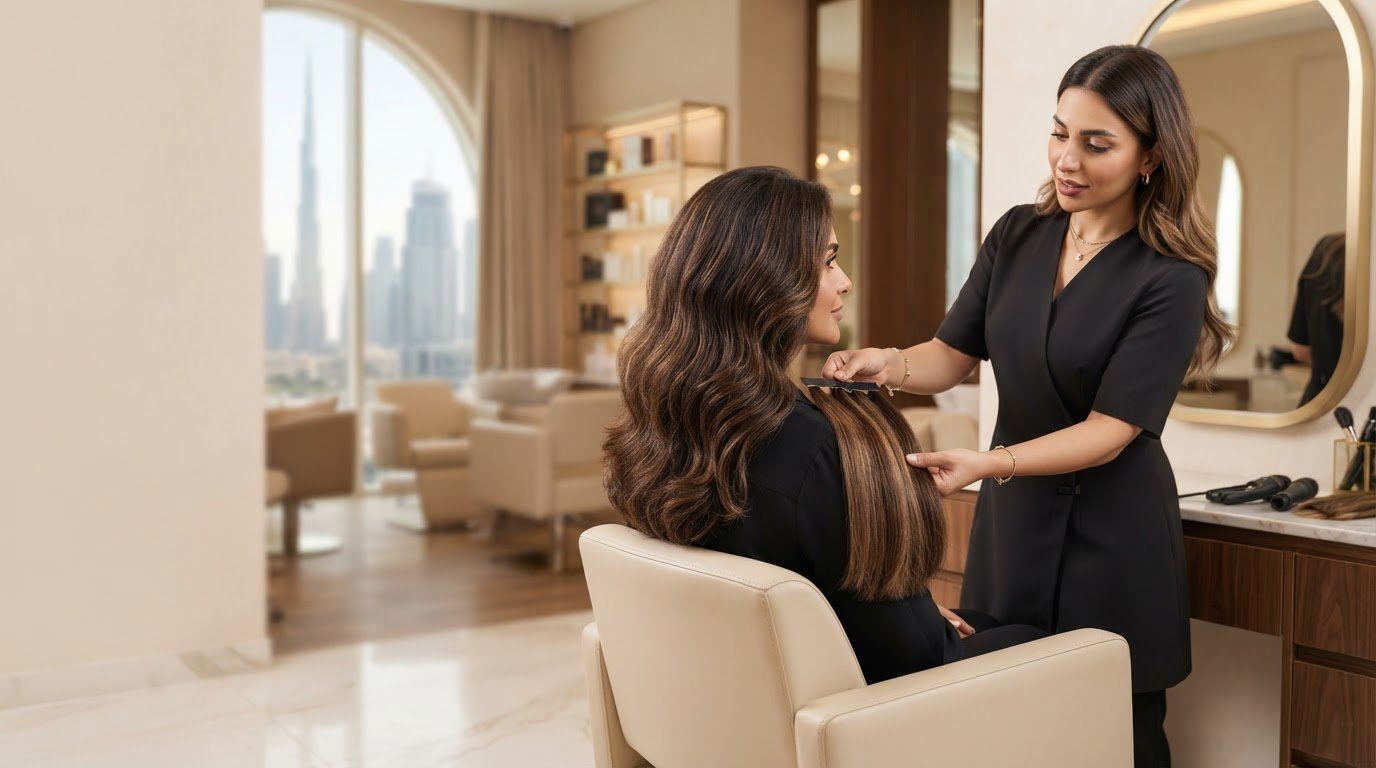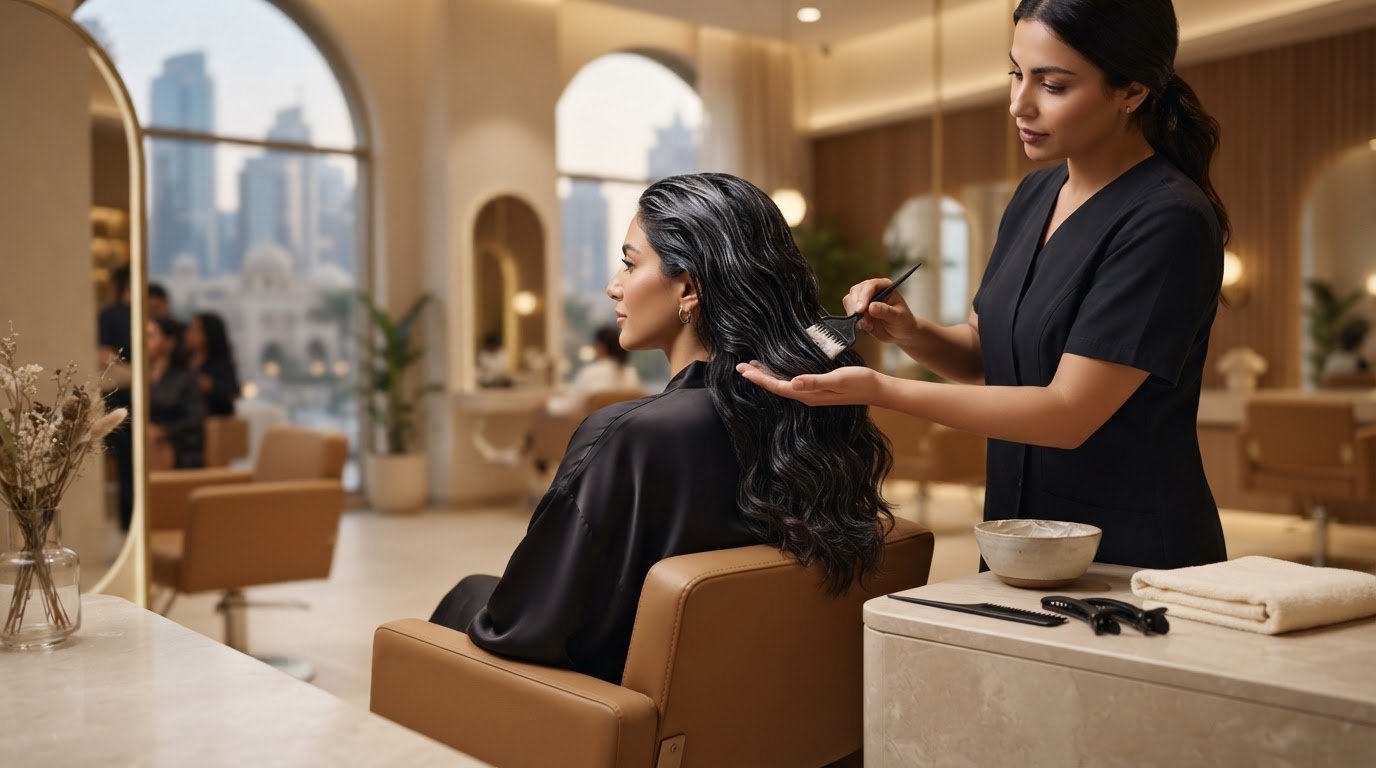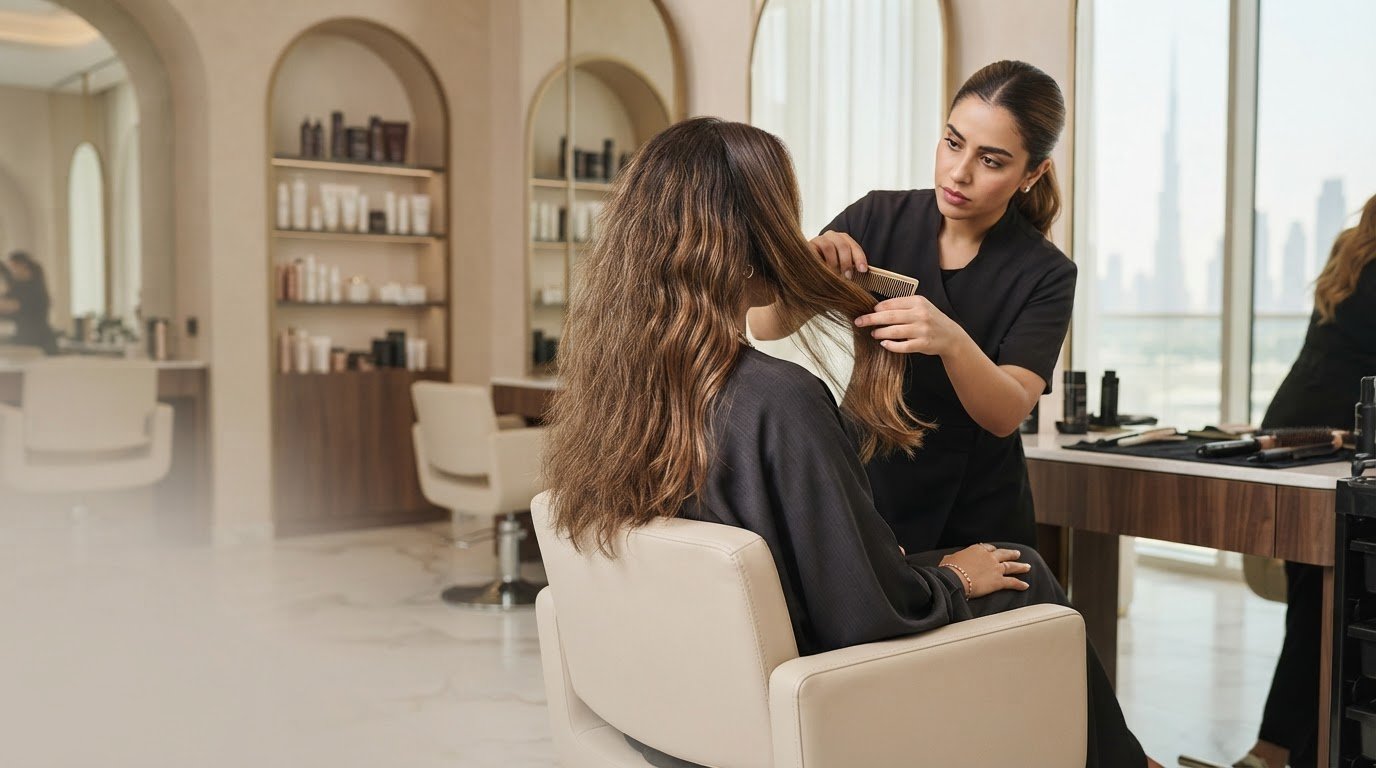
What if smoother, shinier hair doesn’t mean your damage is permanently repaired? If dryness, frizz, or breakage makes styling a daily struggle, hair botox for damaged hair may improve how your strands look and feel. Results depend on your hair’s condition and the treatment used.
It’s understandable to want a clear answer before booking. Hair Botox is often described with bold promises, but cosmetic improvement isn’t the same as lasting repair. It also isn’t interchangeable with keratin. The right option depends on your texture, your goals, and how much upkeep you’re comfortable with.
This guide explains what realistic results may look like, what a responsible case study should document, and what to ask about suitability, the treatment process, and aftercare. You’ll also find practical questions to raise with a stylist in Deira, Dubai. Boost Beauty Lounge is a women’s salon in Deira offering hair Botox. A stylist can discuss your hair’s condition and whether the treatment may suit your needs, without promising a particular outcome.
Key Takeaways
- Hair botox for damaged hair may improve the look and feel of strands, but cosmetic smoothing isn’t proof of permanent repair.
- Results can vary with your hair’s starting condition, the formula used, and how the treatment is applied.
- Before choosing a treatment, share your hair history and goals, then ask about the formula, process, suitability, and aftercare.
- Compare hair Botox and keratin by the result you want. Don’t assume conditioning and smoothing treatments are interchangeable.
- A trustworthy case study documents the client’s baseline, treatment details, and visible results with their permission.
Hair Botox for Damaged Hair: What It Can and Cannot Do
Dry, frizzy, rough-feeling hair can take longer to style and feel harder to manage day to day. Breakage may also affect confidence, especially when your hair doesn’t behave as expected. A salon treatment may improve its appearance and feel, but the name alone can’t tell you what results to expect. With hair botox for damaged hair, the product and process matter.
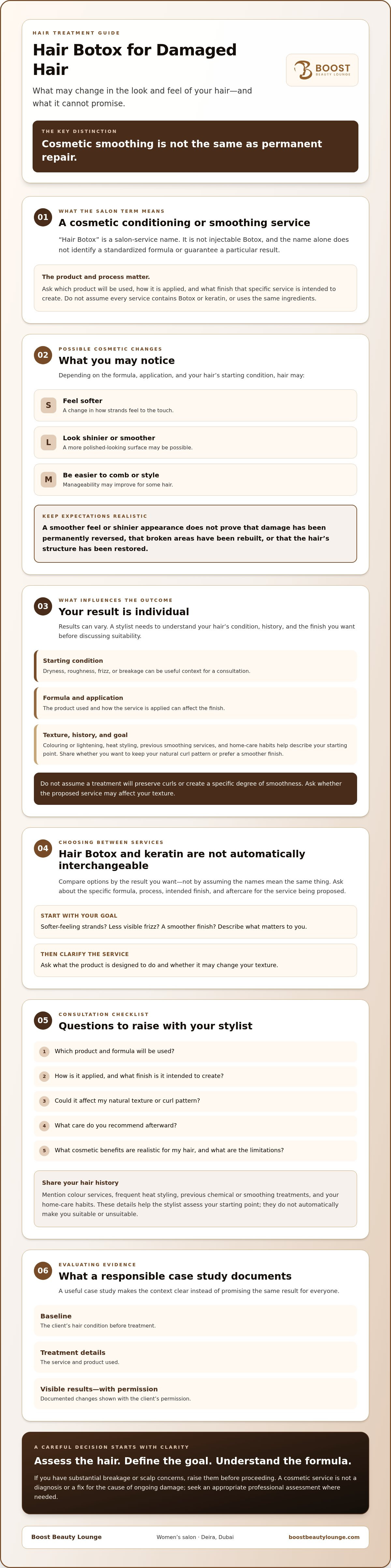
Salon hair Botox is a conditioning or smoothing service marketed under the term “hair Botox.” It is not injectable Botox, and the name alone does not mean the service permanently repairs the hair fiber. The term isn’t tied to one standardized formula. Don’t assume every service contains Botox or keratin, or uses the same ingredients. Ask the stylist which product will be used, how it’s applied, and what finish it’s intended to create.
What does hair Botox mean in a salon?
In salon use, “hair Botox” describes a cosmetic hair service, not a medical injection. Depending on the product and process, conditioning may leave strands feeling softer or looking smoother. Hair conditioners can coat the fiber and improve its surface feel. See this overview of a deep conditioning treatment. These visible or tactile changes don’t prove that damage has been permanently reversed or that the hair’s structure has been restored.
Before booking, ask what the treatment is designed to do for your hair, whether it may change your texture, and what care the stylist recommends afterward. A clear explanation should refer to the specific formula, not just the word “Botox.”
Which kinds of damage may prompt a consultation?
Dryness, roughness, frizz, or breakage can be reasons to discuss a cosmetic treatment with a stylist. Share relevant context, too. Colour services, frequent heat styling, and previous chemical treatments can help the stylist understand your hair history, but they don’t automatically make you suitable or unsuitable.
Assessment matters. The outcome may depend on your hair’s starting condition, the formula, how it’s applied, and the stylist’s instructions. If you’re experiencing substantial breakage or have scalp concerns, don’t treat a cosmetic service as a diagnosis or a fix. Raise the concern before proceeding and seek an appropriate professional assessment where needed. A responsible discussion should clarify likely cosmetic benefits, limitations, and whether another step may be more suitable.
How Hair Botox May Change the Look and Feel of Damaged Hair
After a conditioning or smoothing service, hair may feel softer, look shinier, or be easier to comb and style. These are cosmetic changes to the hair’s surface and manageability, not evidence that the hair has been biologically repaired or permanently restored. Conditioning agents can affect how hair feels and behaves. The research on how deep conditioning treatments work offers useful context for those effects.
Hair Botox is not injectable Botox, and it is not one standardized formula. The name alone can’t tell you the ingredients, application method, or likely finish. Ask the stylist to identify the product and explain what the specific service is designed to do. Don’t treat broad claims about “repair” as a promise that every kind of damage will be reversed.
Why damaged hair may look smoother after treatment
When strands feel rough or look frizzy, conditioning may temporarily help them feel smoother and appear more polished. That can make detangling or styling feel easier. The change is cosmetic, though. It doesn’t mean split or broken areas have been permanently rebuilt, or that the service will address the cause of ongoing damage.
For hair botox for damaged hair, realistic expectations start with the exact formula and process. Results can depend on the product, how it’s applied, your hair’s condition beforehand, and the stylist’s instructions. Ask what you might notice in feel and appearance, and what limitations apply to your hair.
How results can vary with texture and treatment history
Your goal matters. You may want softer-feeling strands and less visible frizz while keeping your natural curl pattern, or you may be seeking a smoother finish. Don’t assume the treatment will preserve curls or create a particular degree of smoothness. Outcomes can vary with the formula and application, so discuss your preferred finish before proceeding.
Share your hair history, including colouring or lightening, regular heat styling, previous smoothing services, and home-care habits. These details help the stylist assess your starting point and set suitable expectations. Ask whether the proposed service may affect your texture and whether any claims about how long the finish lasts apply to this specific product. A clear answer should be based on the treatment details, not a universal promise.
If you’re weighing a treatment, a stylist can help connect your goals with realistic expectations. Learn more about the professional hair Botox service at Boost Beauty Lounge and discuss whether it may suit your hair.
A Hair Botox Case Study: Assessing Damage, Treatment, and Visible Results
A useful case study shows what changed for one client, not what will happen for everyone. No individual client records or approved before-and-after evidence are provided here, so it wouldn’t be responsible to invent a client story or claim results. Instead, use this framework to assess a documented experience before treating it as evidence about hair botox for damaged hair.
Before sharing a case study, confirm the client’s treatment history, hair condition, treatment details, and explicit permission to publish any personal account or images. Leave out any detail that can’t be verified.
Before treatment: document the starting point
With the client’s consent, record relevant colour or lightening, chemical services, heat styling, and home-care history. Describe observable concerns precisely, such as visible frizz, rough-feeling lengths, or breakage, without assigning a diagnosis. Note what the client wants to change and what they want to preserve, such as curl pattern, softness, shine, or easier styling.
The stylist’s assessment should explain the proposed service and its limitations. Record the exact product and process only after confirming them with the stylist. A goal such as “easier to manage” is more useful than an undefined promise of “repair.”
After treatment: report results without overpromising
Separate the client’s impressions from the stylist’s visual observations. For example, a client might describe how the hair feels or styles, while the stylist reports only visible differences they can substantiate. Include follow-up timing and care details only if the client and stylist confirm them.
If photos are used, compare like with like: keep lighting, angle, hair styling, and presentation consistent. Captions should identify when each image was taken and avoid filters or wording that suggests permanent repair. One client’s experience is illustrative, not a guarantee for every woman or hair type.
| Case-study detail | What to document |
|---|---|
| Starting condition | Consent-based history and precise visible observations. |
| Client goal | The desired look or feel, plus any texture they want to retain. |
| Stylist approach | Assessment, confirmed product and process, and agreed expectations. |
| Observed result | Verified client impressions and stylist observations, clearly distinguished. |
| Limitations | Unconfirmed details, differences from the client’s usual styling, and what one case cannot predict. |
This approach makes a case study more than a polished before-and-after. It gives readers the context to judge whether the outcome is relevant to their own hair, while keeping the difference between cosmetic improvement and lasting repair clear.
Is Hair Botox Right for Your Damaged Hair? Questions to Ask First
A thoughtful consultation helps you decide whether hair Botox fits your hair and your goals. Describe what’s bothering you, such as dryness, frizz, breakage, or time-consuming styling. Share any colour, lightening, chemical-service, heat-styling, or home-care history, and mention scalp sensitivity or previous reactions. These details help the stylist discuss suitability rather than assume the treatment is right for you.
Keep expectations grounded: conditioning may improve how hair looks or feels, but it can’t guarantee permanent repair. If your hair is breaking significantly or you have scalp concerns, raise them before proceeding and ask whether a cosmetic service is appropriate. For a broader overview, explore our professional guide to the best hair treatments for women.
Five questions to ask your stylist before booking
- What do you mean by hair Botox? Ask which product or formula and process the service uses.
- What result is realistic for my hair? Discuss your current condition, texture, and treatment history.
- Could the service change my natural texture? Explain whether you want to keep your curl pattern or prefer a smoother finish.
- What should I know about suitability? Mention sensitivity, breakage, and previous chemical or colour services, then ask how they affect the assessment.
- What aftercare or follow-up do you recommend? Ask for guidance specific to the product and process being used.
Hair Botox or keratin: clarify the goal before choosing
Start with the finish you want, not just the treatment name. Is your priority a conditioning effect, less visible frizz, or a smoother finish? Hair Botox and keratin services shouldn’t be treated as interchangeable. The process and result can depend on the specific service. Ask the stylist how each option may suit your hair and whether either could affect your texture. You can also read more about a keratin treatment in Deira, Dubai as you compare your options.
Boost Beauty Lounge is a women’s salon in Deira, Dubai, offering professional hair Botox. A stylist can assess your hair and discuss realistic expectations without promising a particular result. Explore Boost Beauty Lounge as a local option for that conversation.
Plan a Hair Botox Consultation at a Women’s Salon in Deira, Dubai
A useful consultation starts with your desired finish, then checks it against your hair’s condition and the treatment details. If you’re considering hair botox for damaged hair, be ready to describe what you’d like to change, whether that’s a softer feel, less visible frizz, or easier styling. Also say what you want to preserve, such as your natural curl pattern or volume. That gives the stylist a clearer starting point than simply asking for “less damage.”
Bring context that can shape the conversation. Your recent colour, lightening, smoothing, and heat-styling history may help the stylist assess your hair. Reference photos can help, too. Choose images that show both the finish you like and your natural texture, so your goal isn’t mistaken for a request to change your hair completely.
What to bring and discuss at your Deira consultation
Use the appointment to ask specific questions and share concerns, including sensitivity or breakage. Before deciding, make sure you understand the proposed formula and process, how the stylist assesses suitability, and what aftercare is recommended for that service. Ask what results are realistic for your starting condition and whether the treatment could affect your preferred texture. If an answer is unclear, ask for clarification before agreeing to proceed.
- Note your recent salon services and at-home styling habits.
- Bring reference photos that communicate your preferred finish and natural texture.
- Ask which product and process the service uses, and what it is intended to do.
- Discuss aftercare and any follow-up guidance specific to the treatment.
A stylist-led conversation can help separate a goal you can describe, such as smoother-looking lengths, from an outcome no cosmetic service can guarantee, such as permanent repair. You should leave with a clearer understanding of the treatment’s limits, the maintenance it may involve, and whether the proposed approach matches your priorities.
Choose your next step with confidence
A professional assessment may help if dryness, frizz, roughness, or breakage is making your hair difficult to manage, or if you’re unsure how previous services affect your options. Those concerns don’t automatically determine suitability. The decision should follow a discussion of your hair’s condition, your goals, the formula, and recommended maintenance.
Boost Beauty Lounge is a women’s salon in Deira, Dubai, and lists professional hair Botox among its hair treatments. If you’d like to talk through your hair goals and expectations, contact Boost Beauty Lounge about a hair Botox consultation.
Choose Your Next Step with Clear Expectations
Hair Botox may help damaged-looking hair feel softer or appear smoother, but cosmetic improvement isn’t permanent repair. The formula, application, hair history, and desired finish all matter, so choose based on a stylist’s assessment rather than the treatment name alone.
When considering hair botox for damaged hair, look for honest expectations and case-study evidence grounded in a real client’s documented experience. Before deciding, share your colour and heat history, describe the result you want, and ask about the specific product, suitability, and aftercare. That conversation can help you compare options without assuming Botox and keratin will deliver the same finish.
Boost Beauty Lounge is a women’s salon in Deira, Dubai, and lists professional hair Botox among its treatments. Discuss your hair goals with Boost Beauty Lounge and ask what approach may suit your hair. A thoughtful choice starts with clear questions, and you deserve to feel confident about your next step.
Frequently Asked Questions
Is hair Botox good for damaged hair?
Hair Botox may help damaged-looking hair feel softer, look smoother, or become easier to manage, depending on the product and your hair’s condition. It’s a cosmetic salon service, not a guaranteed solution for every type of damage. If you’re considering hair botox for damaged hair, tell the stylist about dryness, frizz, breakage, and previous treatments, then ask what result is realistic for your hair.
Can hair Botox repair damaged hair permanently?
No. Hair Botox may improve the hair’s feel or appearance, but that visible conditioning effect shouldn’t be confused with permanent structural repair. It can’t guarantee that breakage or other damage will be reversed. Ask the stylist what the specific formula is intended to do and what its limits are. If you have significant breakage or scalp concerns, raise them before choosing a cosmetic treatment.
How does hair Botox differ from injectable Botox?
Salon hair Botox is a name used for a cosmetic hair-conditioning or smoothing service. It isn’t injectable Botox and doesn’t involve the botulinum toxin treatment used in medical and cosmetic procedures. The salon term also doesn’t identify one standard formula: products and application processes can vary. Ask the stylist which product is used and what finish the service is intended to create.
How long can hair Botox results last?
There isn’t one reliable duration that applies to every hair Botox service. How long the cosmetic effect remains noticeable may depend on the specific formula, your starting hair condition, washing and home-care habits, and stylist instructions. Ask the salon what timeframe, if any, is supported for its particular service and what maintenance it recommends. Treat broad duration claims as estimates, not a promise for your hair.
Can hair Botox change my natural curl pattern?
It may affect how smooth or defined your hair looks, but the result depends on the formula and how it’s applied. Don’t assume your curl pattern will stay exactly the same or that curls will be fully straightened. Before treatment, show the stylist your natural texture and explain whether you want to retain your curls, reduce frizz, or achieve a smoother finish. Ask what outcome is realistic for that service.
What should I ask a stylist before hair Botox in Dubai?
In Dubai, ask what the salon means by hair Botox, which product and process it uses, and how your colour, lightening, heat, or previous smoothing history may affect suitability. Discuss your desired texture, possible results, limits, and aftercare. Boost Beauty Lounge is a women’s salon in Deira, Dubai, that lists professional hair Botox among its treatments. A stylist can discuss your hair condition without guaranteeing an outcome.
Is hair Botox the same as a keratin treatment?
No. The names refer to different salon services, and they shouldn’t be treated as interchangeable. Hair Botox is commonly presented as a conditioning or smoothing service, while keratin treatments may have different processes and intended finishes. Exact details vary by product and salon. Tell your stylist whether your priority is conditioning, frizz management, or a smoother finish, then ask how each specific option may affect your hair texture.
Ready to book this look?
See this package